A migration package is really a bet on geography and timing. The animals move; the camps do not. Everything below is about improving your odds.
Get the season right
Herds enter the Mara ecosystem from mid-July and generally remain into October. Crossing activity concentrates in August and early September, though rainfall shifts this by weeks in either direction each year.
Choose the right sector
- Mara Triangle: fewest vehicles, excellent crossing access, well managed
- Talek and central reserve: highest density of sightings, also the busiest
- Conservancies such as Olare Motorogi and Naboisho: off-road driving, night drives, low guest density, herds passing through rather than resident
Our usual recommendation is a split — two nights in a conservancy for quality of experience, three inside the reserve for the crossings.
Give it enough nights
A two-night migration trip is a gamble. Three nights is a reasonable bet. Five nights turns the crossing from a hope into an expectation, and gives you the calm days that make a safari feel like a holiday rather than a hunt.
Consider the Serengeti
June and July often find the herds in the northern Serengeti before they reach the Mara. Ten nights across both countries lets us position you where the animals actually are, using a Kogatende or Kichwa Tembo hop rather than a long drive.
What our migration packages include
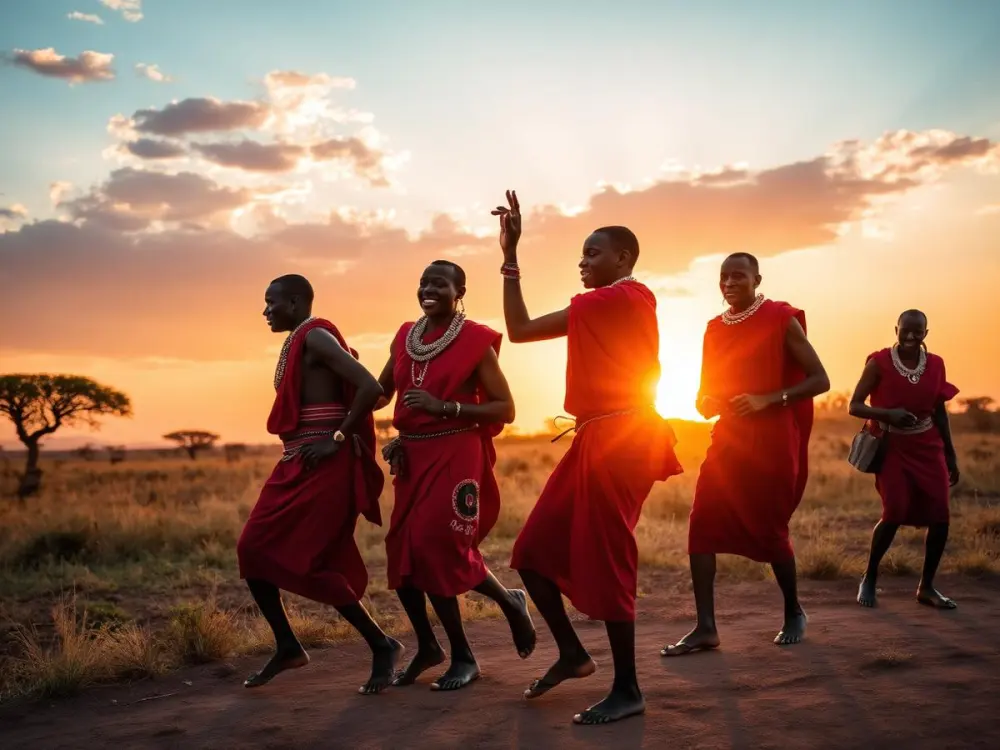
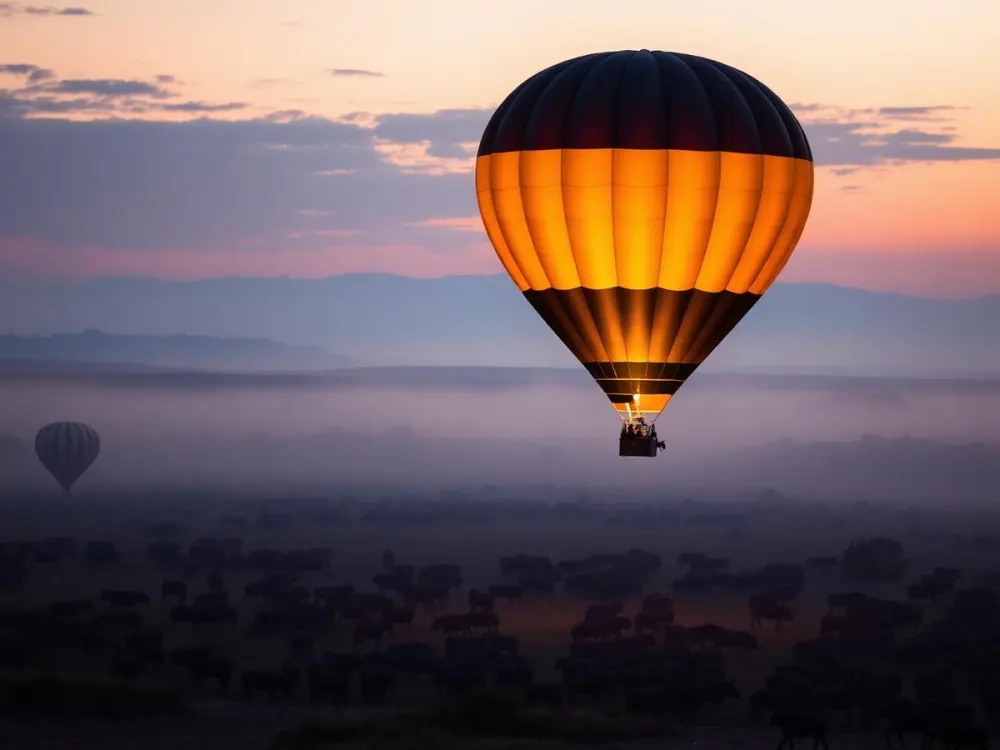
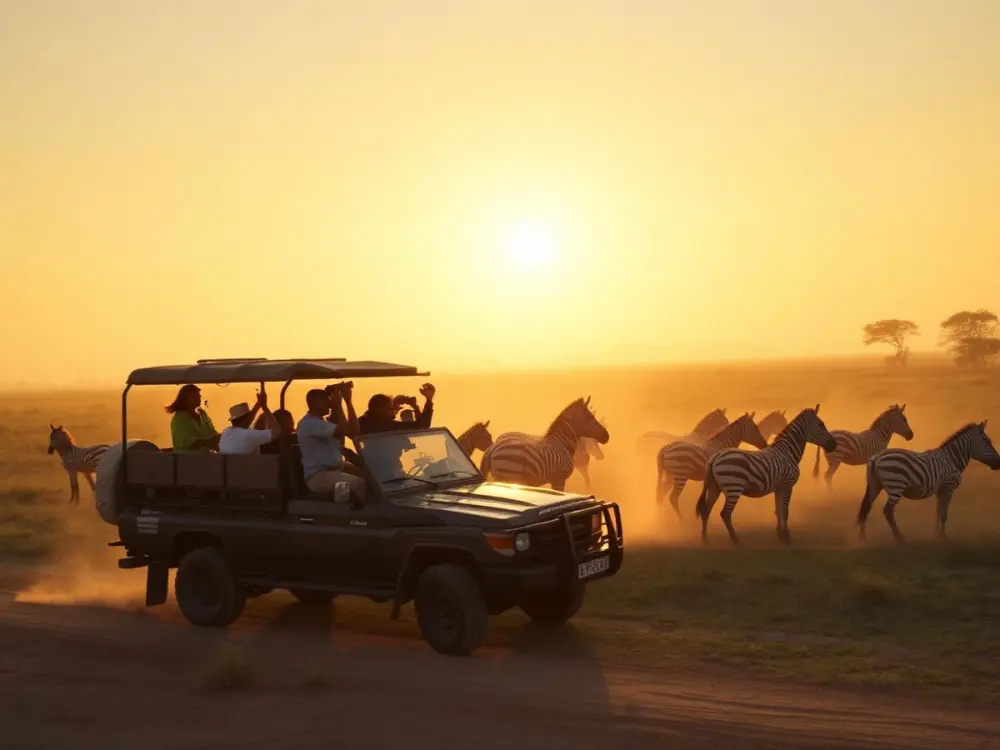
Private 4x4 with a hatch roof, professional guide, all reserve and conservancy fees, full-board camps chosen for river access, and a flexible daily plan so your guide can move on radio intelligence instead of a fixed schedule. Balloon flights, night drives and Maasai community visits are added on request.
Tell us your travel window and we will map the realistic options for those exact dates — including the honest answer if your dates fall outside crossing season.