Combined, Tsavo East and West form Kenya’s largest conservation domain, spanning nearly 22,000 square kilometres of wilderness. Choosing between or combining both reserves requires a clear understanding of their distinct landscapes, wildlife movements, and travel logistics. This Tsavo East and West safari guide breaks down what to expect, from the arid red plains of East to the volcanic springs of West.
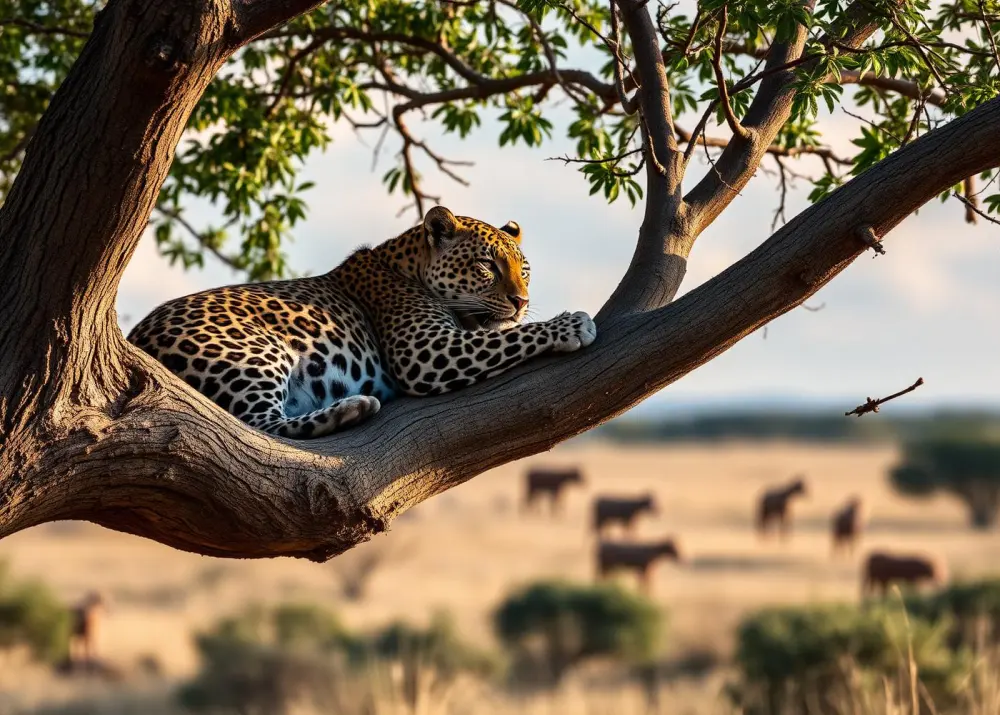
Tsavo East is dominated by semi-arid scrubland, flat savannah, and iron-rich soil that paints its famous dust-coated red elephants. Wildlife congregates around the Galana River and Aruba Dam during dry months. You will spot large herds of buffalo, lion prides, cheetahs, and northern specialist species like the long-necked gerenuk and fringe-eared oryx across open vistas stretching toward the Yatta Plateau.
Tsavo West presents a stark contrast with rugged hills, dense acacia thickets, and ancient lava beds. The highlight here is Mzima Springs, where millions of litres of clear water filter daily through Chyulu Hills volcanic rock. An underwater viewing chamber allows close observation of hippos and Nile crocodiles swimming alongside barbel fish, surrounded by groundwater forest.
Within Tsavo West lies the Ngulia Rhino Sanctuary, a heavily guarded 90-square-kilometre fenced enclosure protecting black rhinos from poaching. Drives along the base of the Shetani lava flow offer historical weight alongside wildlife tracking, remembering the early 20th-century history of the Tsavo maneaters and early East African railway construction that shaped the region.
The dry season from June to October offers optimal game viewing across both parks. As water sources dry up elsewhere, animals converge around permanent riverbeds and waterholes, and the vegetation thins out substantially. A secondary dry window runs from January to February. Rainy months, particularly April and May, turn tracks muddy but yield excellent birding opportunities as migratory species arrive.
Reaching the parks from Nairobi takes roughly four hours by road to Mtito Andei gate for Tsavo West (230 kilometres) or five hours to Voi gate for Tsavo East. For coastal travellers staying in Diani or Mombasa, Bachuma gate in Tsavo East is just a two-hour drive. Scheduled daily flights also land at Finch Hattons airfield and Kilaguni airstrip from Wilson Airport.
Park conservation fees set by the Kenya Wildlife Service generally range from 52 to 80 USD per adult per day, depending on season and reserve classification. A mid-range to luxury safari combining vehicle hire, private guide services, park entries, and boutique tented accommodation averages between 450 USD and 950 USD per person per night.
Splitting a four-night itinerary evenly between both parks delivers the full Tsavo experience. Spend two nights in Tsavo West exploring Mzima Springs and the volcanic ridges, then cross the A109 highway into Tsavo East for two nights focused on wide-angle game drives along the Galana River. Using a dedicated Tsavo East and West safari guide ensures seamless gate transfers and optimised game-drive schedules.
Accommodation options range from classic permanent tented camps like Satao Camp in Tsavo East to high-end luxury lodges such as Finch Hattons and Severin Safari Camp in Tsavo West. Staying inside the park boundaries maximises early morning game drives when predators are active and morning light illuminates the distant Chyulu Hills.
At Premylance Adventures, our field guides design custom private safaris across Tsavo that balance game viewing with comfortable travel timing. Whether adding a bush-to-beach extension toward Diani or focusing entirely on tracking big cats across the red clay, we handle vehicle logistics, lodge bookings, and park entries directly from Nairobi or Mombasa.
Exploring these expansive southern parks reveals a wilder, less crowded side of East Africa. To begin tailoring your personal itinerary with our experienced safari planners and field guides, contact Premylance Adventures today for custom routing across Kenya's greatest wilderness.