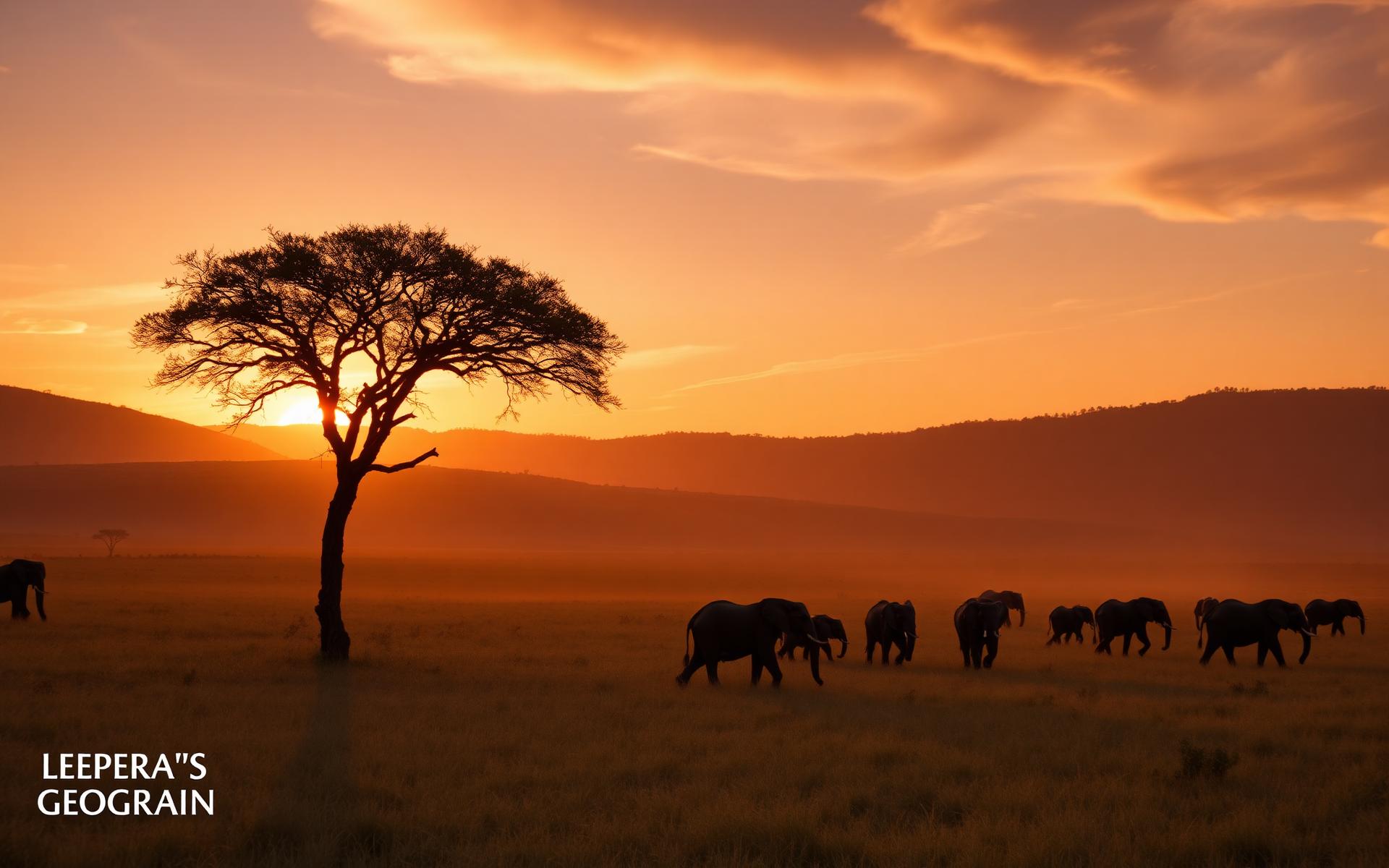
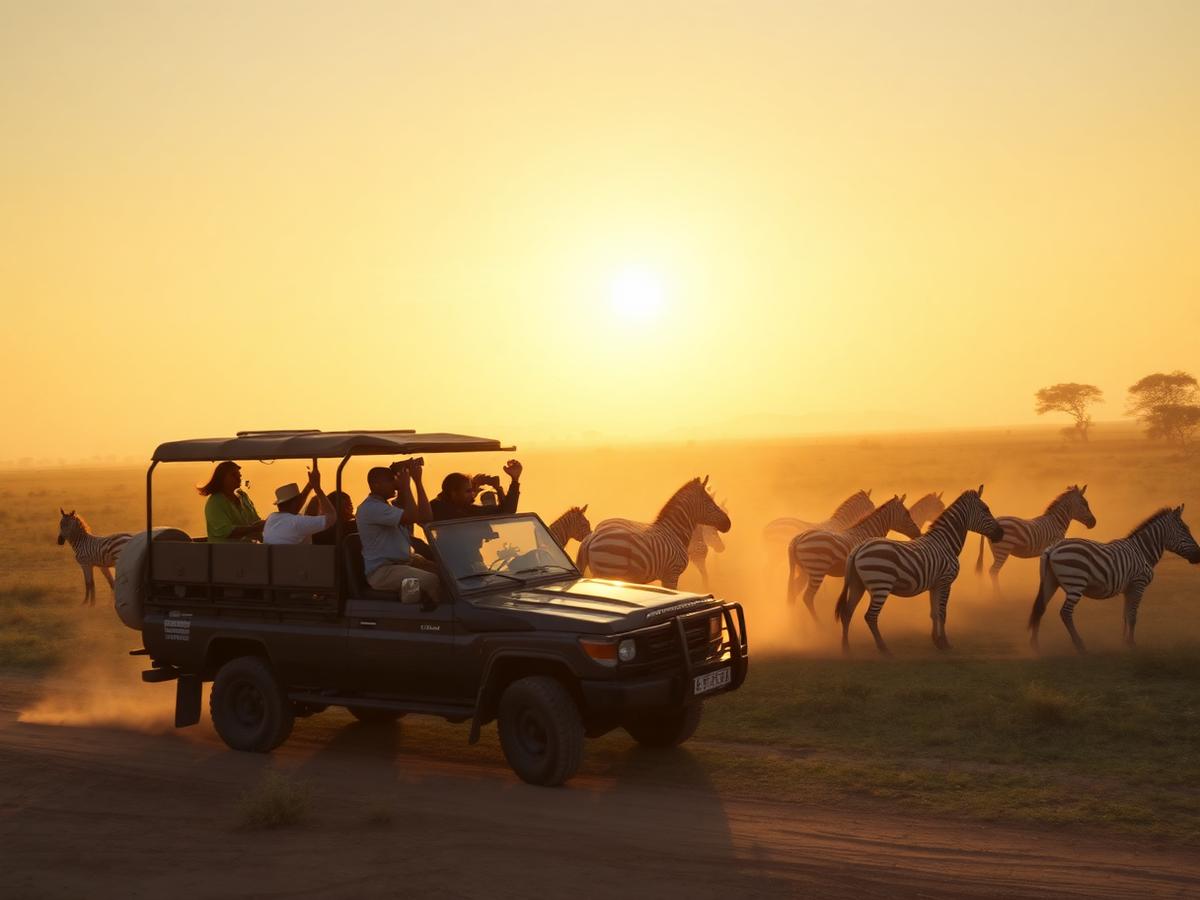
The best time to visit Maasai Mara for the Great Migration spans late July through October, when over 1.5 million wildebeest, zebras, and gazelles cross the Mara River from the Serengeti. Local Maasai guides note that exact timing shifts slightly each year depending on rain patterns, but August and September remain the core months for dramatic river crossings and dense herd sightings across the reserve.
Late July marks the arrival of the first large herds near the Sand River along the Tanzanian border. Drive times from Nairobi take approximately 5 to 6 hours over 240 kilometres, or a 45-minute flight from Wilson Airport to local airstrips like Ol Kiombo or Keekorok. By mid-August, high concentrations of wildlife settle in the central Mara triangle and the main national reserve.
Planning around the best time to visit Maasai Mara for the Great Migration also requires factoring in seasonal park fees and vehicle traffic. August and September offer the highest probability of witnessing Mara River crossings. During these peak months, daily park entry fees for international adult visitors in the national reserve stand at 200 USD per day, compared to the 100 USD rate applied during off-peak periods.
Maasai pastoralists living in surrounding group ranches, such as Mara North and Ol Kinyei conservancies, have observed these migration corridors for generations. Their traditional ecological knowledge helps field guides anticipate herd movements based on grass height, soil moisture, and cloud formations over the Siria Escarpment. Engaging with local guides provides deep context on how pastoral life and wildlife conservation intersect.
October brings crisp mornings and thinning herds as grazing lands are consumed. Many wildebeest begin moving south toward the northern Serengeti, though substantial pockets remain in the northern Mara conservancies. Photographers often prefer October because visitor vehicle numbers drop significantly compared to August, while resident lions, leopards, and cheetahs remain exceptionally active near remaining water sources.
Staying within private conservancies adjacent to the main reserve offers distinct structural advantages. Conservancies like Naboisho and Motorogi limit vehicle density at sightings and permit off-road tracking and night game drives, which are strictly prohibited inside the main national reserve. Conservancy safari camps generally range from 600 USD to 1,500 USD per person per night during peak migration months.
Weather during the migration months is dry and temperate. Early morning game drives at 06:00 often start around 12°C, rising to a pleasant 26°C by mid-afternoon. Rain showers are rare in August, though short rains can begin in late October, refreshing dusty plains and creating lush green pockets that briefly hold remaining wildebeest herds before their journey south.
While determining the best time to visit Maasai Mara for the Great Migration depends on seeing river crossings, the green season from November to May should not be discounted. During those non-migration months, resident game remains abundant, birding peaks with palearctic migrants, and park entry costs drop, offering a quiet and intimate safari experience.
Due to high demand for riverfront camps and experienced spotters, securing permits and camp space requires early planning. Most travellers book peak season safaris 8 to 12 months in advance. At Premylance Adventures, our Nairobi-based team designs custom itineraries matching private safari vehicles with local Maasai guides who know every bend and crossing point of the Mara River.
Understanding the natural movement of the herds ensures your time on safari aligns with your expectations. Whether watching thousands of wildebeest brave crocodile-infested waters or spending an afternoon learning about traditional Maasai cattle management on the border of the reserve, visiting during peak dry months rewards you with classic East African wildlife encounters. Contact Premylance Adventures to begin designing your custom migration journey.